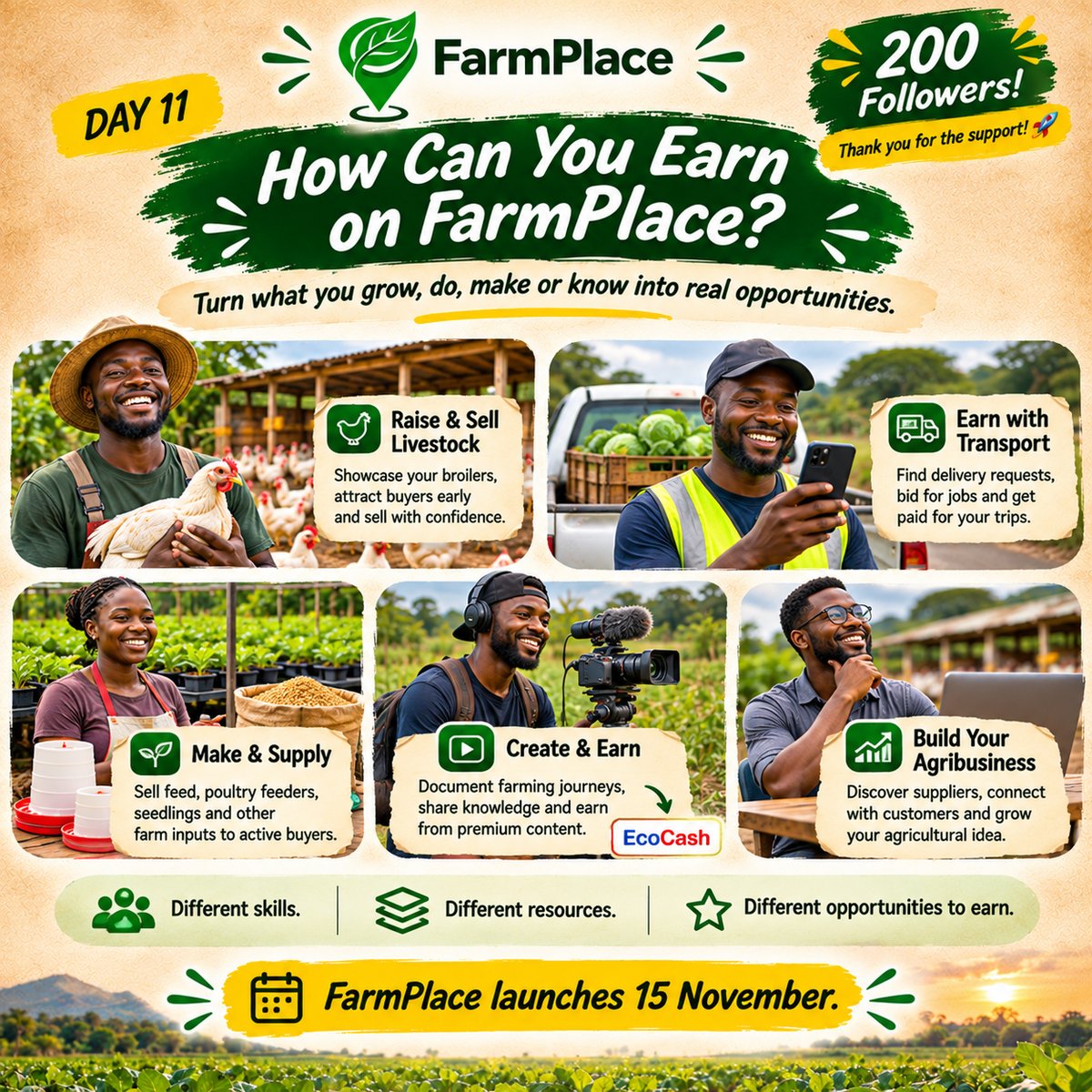
A content creator is not just someone holding a camera
The grandmother teaching a grandchild where sugar beans come from, the young farmer filming 100 broilers, the beekeeper recording the harvest. FarmPlace gives agricultural creators a place to publish documentaries and earn when viewers pay to watch. Launching 15 November.
By FarmPlace Team
When you hear the words content creator, what comes to mind?
Usually a young person with a ring light, a smartphone, and a brand deal. Someone who films their morning routine or dances for an algorithm.
Agriculture has always had its own creators. They never had a place to publish.
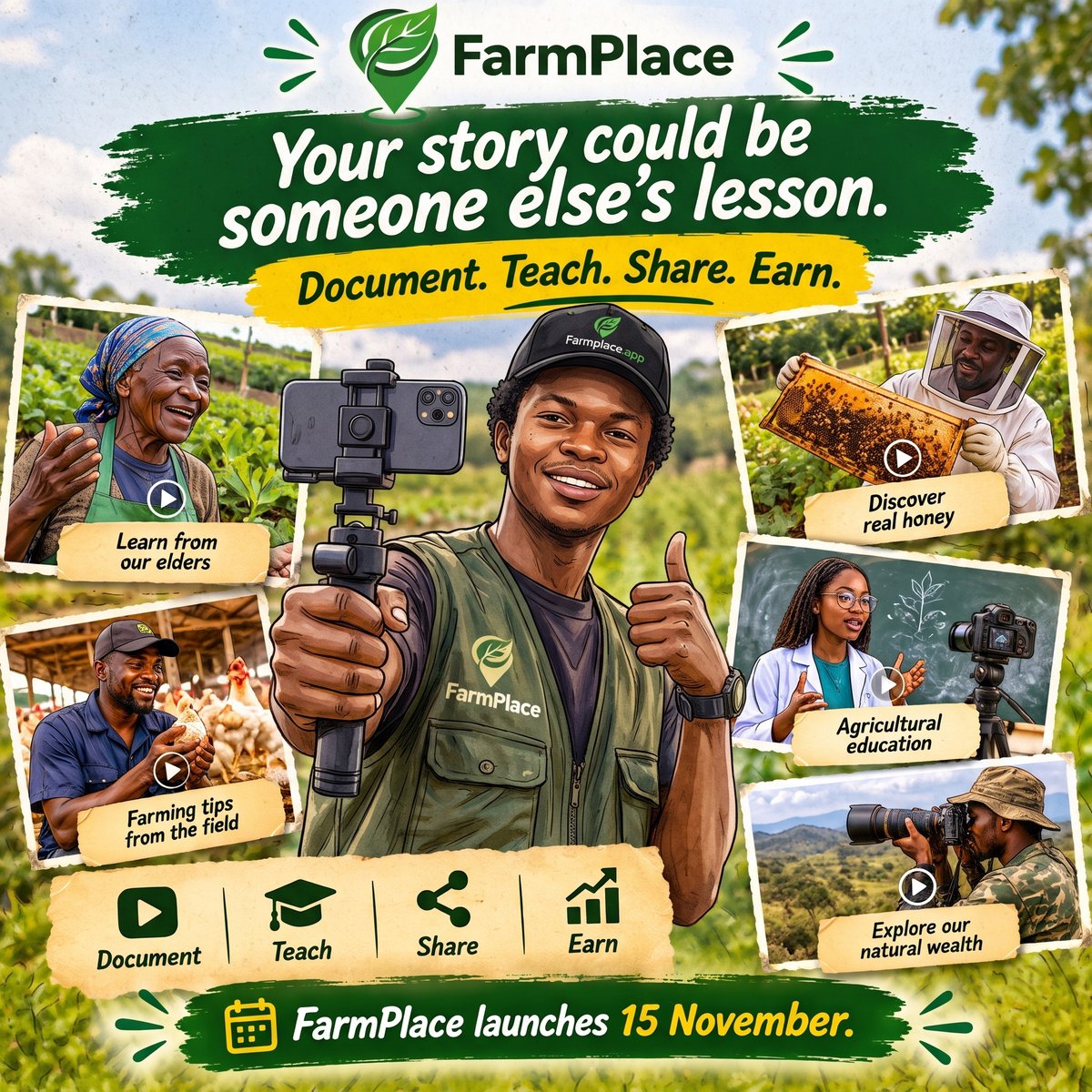
- A grandmother teaching her grandchild where sugar beans come from.
- A young farmer with 100 broilers, documenting every loss and every lesson from day one.
- A wildlife photographer working the edge of a park with a camera and patience.
- An agricultural student filming the things a lecture hall cannot show.
- A beekeeper recording the harvest, frame by frame, and what makes one jar different from another.
- A filmmaker following one season from the first furrow to the last crate.
- A nature lover who notices what everyone else walks past.
None of them would call themselves content creators. All of them already are.
The knowledge that never gets written down
Most of what is known about farming in this country has never been written down, filmed, edited, or published. It travels by word of mouth, and lately it travels somewhere else.
A WhatsApp group is a conversation, not an archive. The video that explains how to tell genuine honey from adulterated honey is sitting in one of those groups, along with the answers to the question the next farmer is about to ask. A week later nobody can find it, because nobody searches a group chat. A Facebook feed scrolls the same knowledge away the day after it is posted.
The expertise is real. The record of it is not.
Stories worth preserving
The other way to look at what people have already lived is as material worth keeping.
- The journey of sugar beans: the seed saved from last season, the planting, the dry spell, the pest, the market day, and the price on that market day.
- Genuine honey and adulterated honey: what to look for, what to taste, and why the difference is worth paying for.
- The landscapes and wildlife that sit alongside the farmland and belong to the same story.
- Irrigation series, poultry series, crop series: one subject followed properly, episode by episode, so a viewer can learn it instead of hearing about it.
What FarmPlace is building for creators
FarmPlace is building a space for agricultural documentaries and premium video content, giving creators the opportunity to publish their work and earn a share of the revenue when viewers pay to access it.
The series is the unit. A creator publishes episodes, schedules their release, sees what viewers watched, and sets what is free and what is paid. The audience pays for the story. That part is live in the app now.
Not everything is behind a paywall
Most of FarmPlace is free to take part in, and it stays that way. Communities are where the ordinary question gets answered: a farmer posts a photo of a sick chicken and twenty people have replied before the evening is over. Documentaries sit on top of that culture rather than replacing it.
Different creators. Different stories. One agricultural ecosystem.
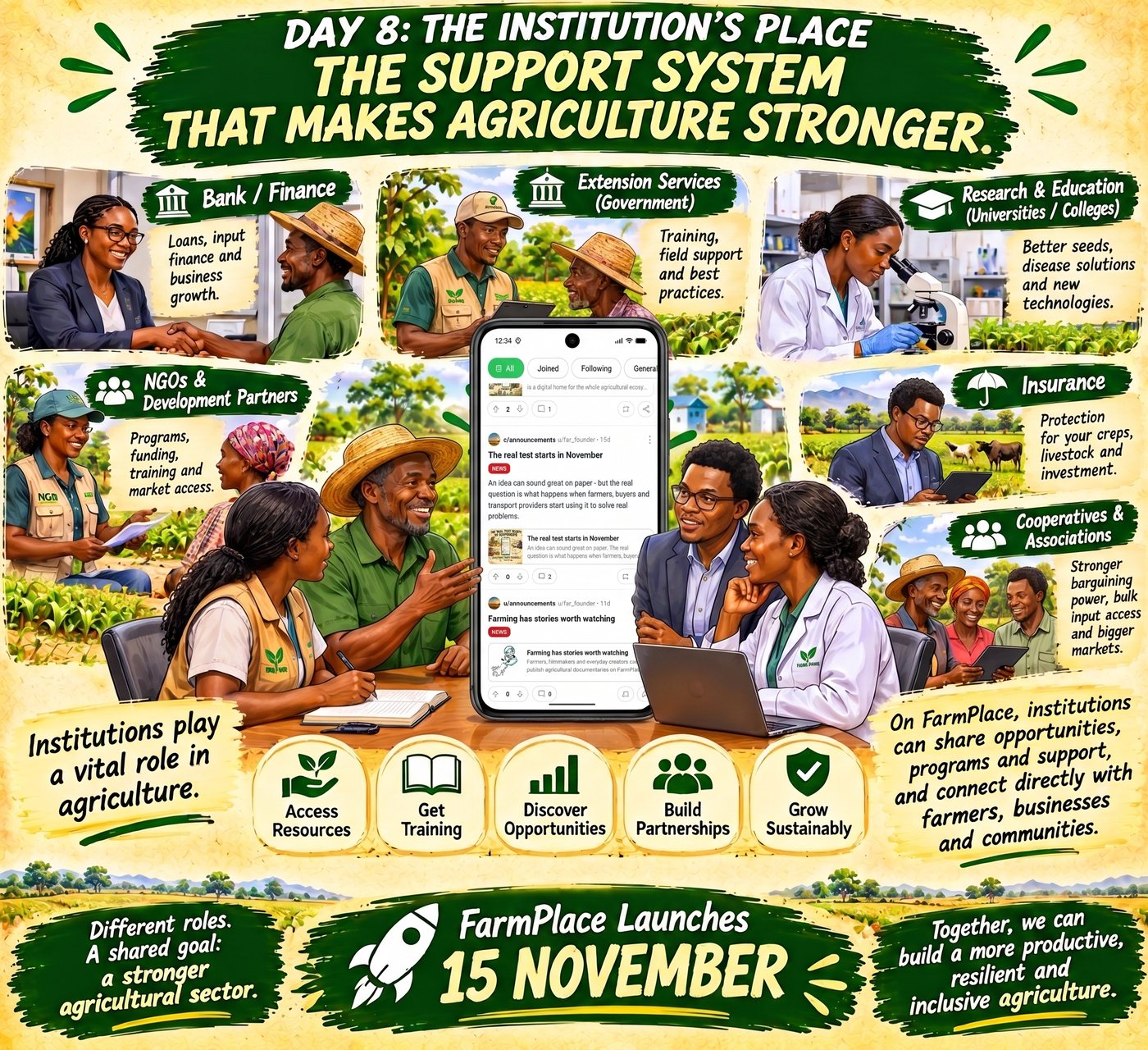
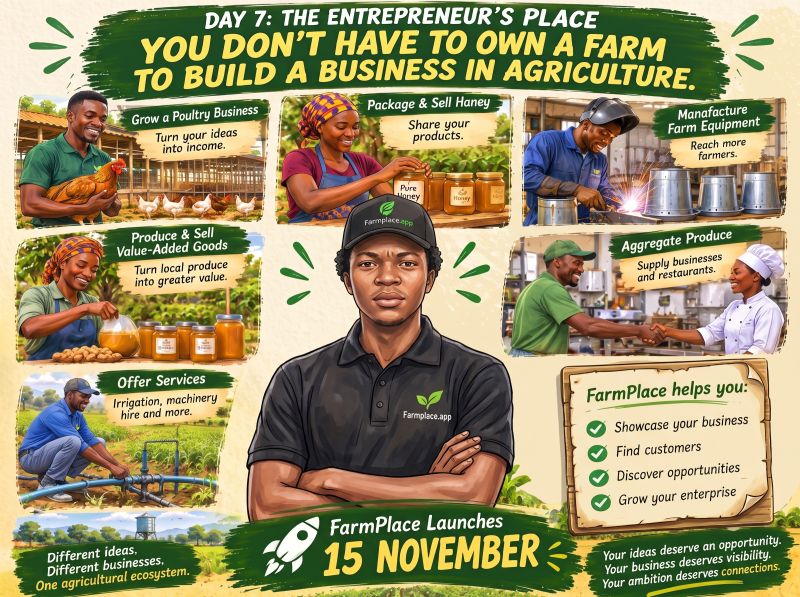
Earlier in this series: the farmer, the buyer, the transporter, the agricultural supplier, the agricultural entrepreneur, and the agricultural institution.
Next: communities, and what belongs inside one.
FarmPlace launches on 15 November.
What story would you film first?
Ready to skip the middleman?
Buy direct from local farmers, or sell to buyers who found you. Free on iOS and Android.